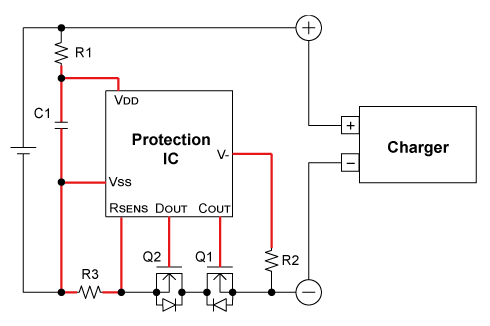
LiIon Battery ShortCircuit Protection by Circuit Diagram Protection circuits for Li-ion packs are mandatory. (See BU-304b: Making Lithium-ion Safe) More information on why batteries fail, what the user can do when a battery overheats and simple guidelines using Lithium-ion Batteries are described in BU-304a: Safety Concerns with Li-ion. Intrinsically Safe Batteries
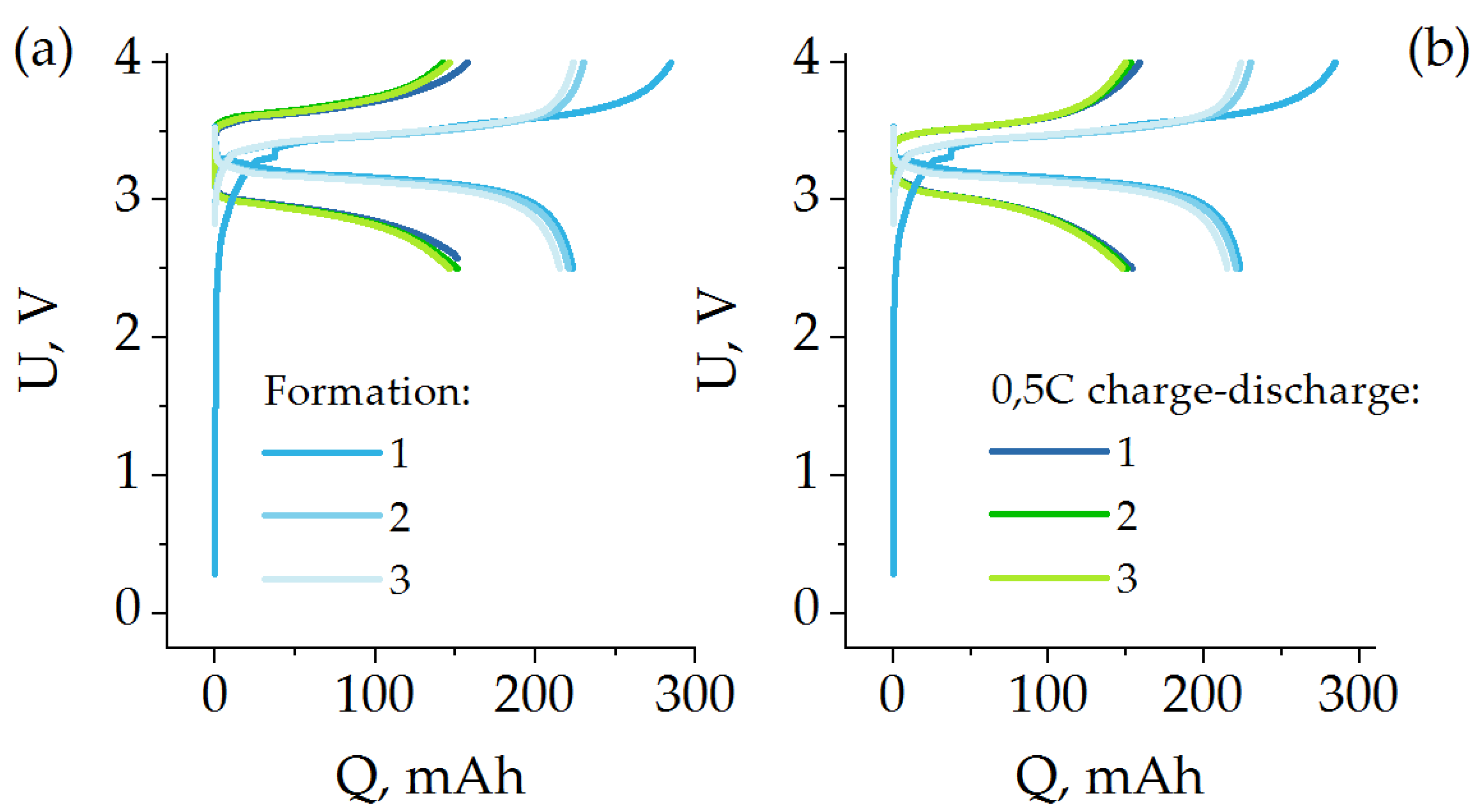
The DW01A is a lithium-ion/polymer battery protection IC designed to protect single-cell lithium-ion/polymer batteries from overcharging, overdischarging, and short circuits. In this project, we'll guide you through designing a battery protection circuit using the DW01A, ensuring the safe and reliable operation of your battery-powered devices. Lithium Ion Battery Pack - 3.7V 6600mAh. $24.50. Add to Cart. Lithium Ion Battery Pack - 3.7V 4400mAh. $19.95. Add to Cart. Lithium Ion Polymer Battery - 3.7v 2500mAh. Out of Stock. Lithium Ion Polymer Battery - 3.7v 1200mAh. These are often referred to simply as protection circuits. Over-discharge Protection: When a lithium-ion battery is discharged too much (usually below 2.5V or 3.0V per cell), it can cause irreversible damage to the cells. The battery protection circuit monitors the battery voltage and disconnects the load if the voltage drops too low to protect the battery from deep discharge.

Designing a Battery Protection Circuit With DW01A Circuit Diagram
typical Li-ion battery pack. It shows an example of a safety protection circuit for the Li-ion cells and a gas gauge (capacity measuring device). The safety circuitry includes a Li-ion protector that controls back-to-back FET switches. These switches can be opened to protect the pack against fault conditions such as overvoltage, undervoltage
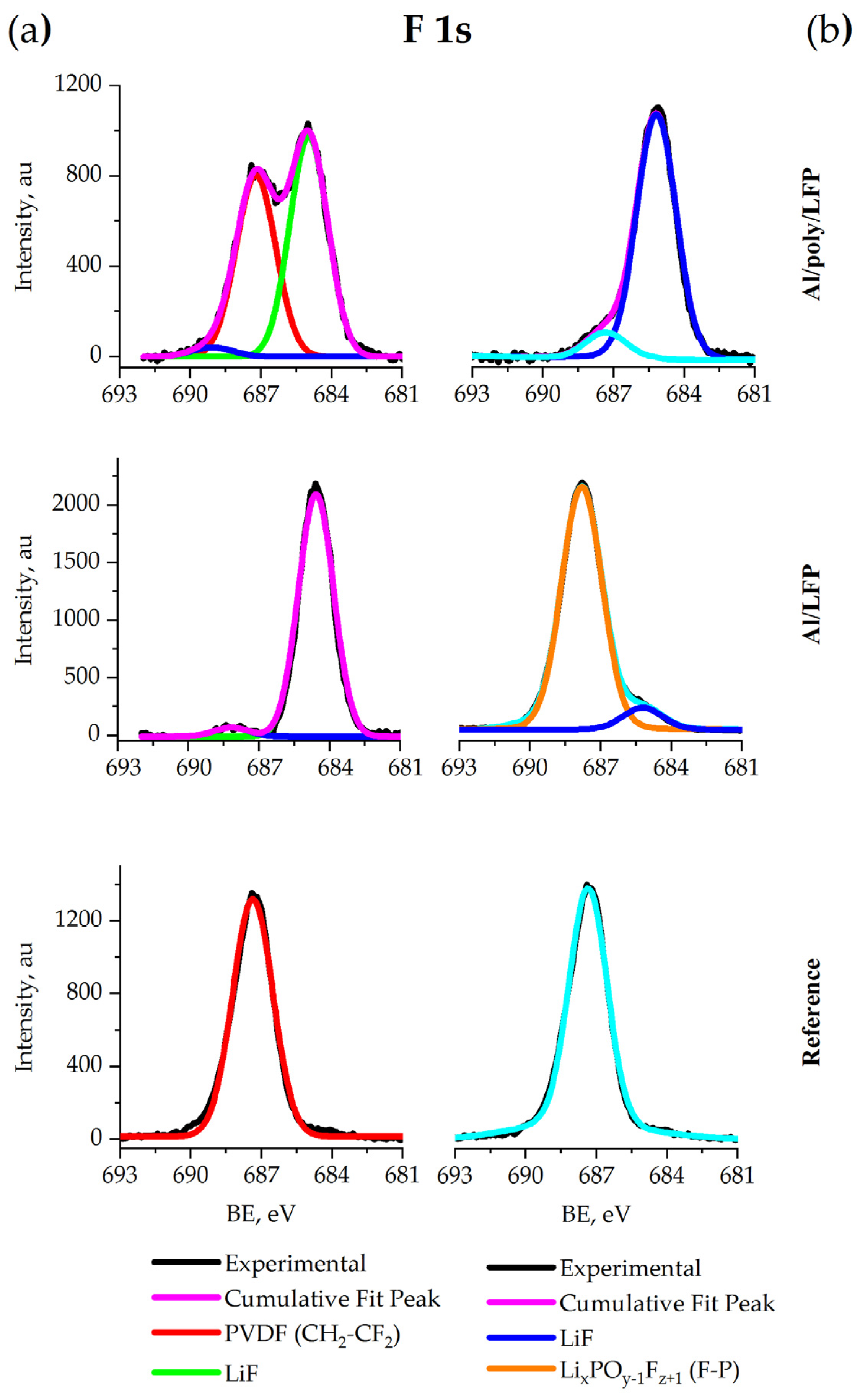
This article discusses important safety and protection considerations when using a lithium battery, introduces some common battery protection ICs, and briefly outlines selection of important components in battery protection circuits. Overcharge. Lithium batteries can be safely charged to 4.1 V or 4.2 V/cell, but no higher. The circuit is set up for a single-cell Li-Ion battery, where the lockout voltage—the voltage when the protection circuit disconnects the load from the battery—is 3.0V. This voltage, set by the ratio of R1 and R2, is sensed at node A. When the battery voltage drops below 3.0V, node A falls below the threshold at node B, which is defined as

Po battery protection circuit ( Gerber files included ) Circuit Diagram
For instance, if you have a holder for 18650s and a protection circuit connected to it, it's a 50/50 chance that your circuit will power up once you insert the battery.